Last updated: October 2026
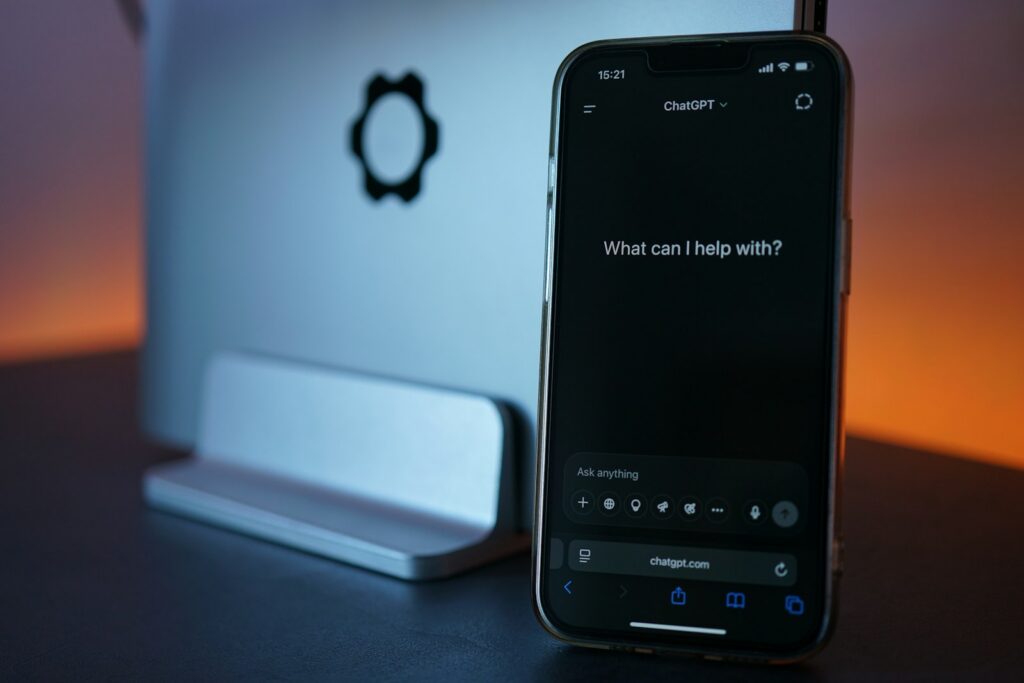
Open ChatGPT or Perplexity right now and ask it to recommend a business in your category, in your city. Give it thirty seconds. If your business doesn’t come up, and a competitor’s does, that’s not a future problem to get around to eventually. That’s happening today, to real prospective clients, while you’re reading this sentence.
We’re not going to re-explain what GEO is here; if you need that groundwork, we covered it last month. This is the follow-up: the specific, checkable items that determine whether AI tools can find, trust, and cite your site. Go through this list against your own website this week. Most of it takes an afternoon, not a redesign.
Test it yourself before you touch anything
Before you fix a single item, run the test. Ask three or four AI tools (ChatGPT, Perplexity, Google’s AI Overviews, Claude) a question a real prospective client would ask in your category: “who’s a good [your specialty] in [your city],” or “what should I look for in a [your service type].” Write down whether you’re named, and if you’re not, note who is. That’s your baseline, and it’s the only way to know later whether any of this moved the needle.
The checklist
Named, credentialed authorship on every page that matters. If your blog posts, service pages, or guides are credited to “Admin” or nobody at all, fix that first. AI tools weigh content from an identifiable, credentialed expert far more heavily than anonymous content, because they need something to point to when they cite a source. Add a real byline and a short bio with actual credentials, geography, and years of experience to your key pages, not just a generic “About” page buried in the footer.
A direct answer in the first sentence or two of every important page. AI tools pull short, self-contained answers out of longer pages. If the direct answer to “what does this service cost” or “how does this process work” is buried three paragraphs down after a long introduction, restructure so the answer comes first and the explanation follows. This helps human skimmers too, which is a nice bonus, not a coincidence.
A visible, recent publish or update date on your key content. Content that looks stale loses ground to freshly published or updated content on the same topic, even when the older piece has more history behind it. Pick your five or ten most important pages (service pages, cornerstone guides, anything driving real traffic) and actually revisit them this quarter. Update a stat, add a new example, change the date. Don’t let your best content sit untouched for two years.
Consistent business information across every platform where you’re listed. Your business name, address, phone number, and service description should match, exactly, across your website, Google Business Profile, industry directories, and social profiles. AI tools cross-reference this information, and inconsistency reads as a credibility flag, even when the discrepancy is as small as “Suite 200” versus “Ste 200.”
FAQ sections that mirror how people actually ask AI tools questions. Not “What services do you offer,” which is how a website thinks. “What’s the difference between a fractional CMO and a marketing coordinator” or “How much does a residential architect typically charge for a custom home,” which is how an actual person phrases a question to ChatGPT. Go back through your last twenty client inquiries or intake calls and pull the actual phrasing people used. That phrasing, turned into direct FAQ answers, is some of the most effective content you can add.
Structured data and clean technical basics, even if this part’s boring. Schema markup that clearly identifies your business type, services, and location helps AI tools parse what your site is. Fast load times matter too, especially on mobile, since a slow site gets crawled less thoroughly and trusted less. This is the least glamorous item on this list and one of the most skipped, which is exactly why it’s worth checking.
Recent, specific reviews, and enough of them. Reviews function as a trust signal for AI tools the same way they do for a human deciding who to call. A page with three reviews from 2021 signals something very different than a steady, current stream of specific, recent feedback. If you haven’t built a real review request process, that’s worth fixing alongside everything else on this list.
Real third-party mentions, if you have them and aren’t using them. Being quoted in an industry publication, cited by a partner organization, or mentioned in local press adds a layer of authority AI tools weigh heavily, because it’s validation that didn’t come from you talking about yourself. If you have earned mentions sitting unused anywhere, link to them and reference them in your own content instead of letting them sit invisible on someone else’s site.
What to do this week
Don’t try to fix all eight items simultaneously. Start with authorship and answer-first structure on your five most important pages, since those two items alone address the gap most sites have. Then move to FAQ content pulled from real client questions, since that’s usually the fastest to produce and among the highest-impact for showing up in generated answers. The rest can follow over the coming weeks.
Run the same test from the top of this checklist again in a month. If you’ve made real progress on this list, you should start to see it.
If you want a full, formal read on exactly where your site stands against every item here, specifically, that’s what our GEO Visibility Audit is built for. It’s a standalone offer, not a pitch into a retainer. You get a real, specific answer either way.
FAQs
Q: How long does it take to see results from fixing these AI search visibility items? Similar to traditional SEO, expect several months of consistent effort before meaningful improvement shows up. Some items, like adding a direct answer near the top of a page, can help relatively quickly. Others, like building a genuine base of recent reviews or third-party mentions, take longer and can’t be rushed.
Q: Which item on this checklist matters most if I can only fix one thing? Named, credentialed authorship on your key pages. It’s foundational to nearly everything else on this list, since AI tools consistently favor content they can attribute to a real, identifiable expert over anonymous or generic content, and it’s usually the fastest single fix available.
Q: Do I need to hire someone to run this checklist, or can I do it myself? Much of this is genuinely doable in-house, especially authorship, answer-first restructuring, and consistency checks across your listed platforms. The harder parts to DIY well are usually structured data and a systematic content audit across an entire site, which is where a formal audit tends to save real time.
Q: How do I know if my website is currently showing up in AI search at all? Ask several AI tools directly, using the exact kind of question a prospective client would ask in your category and location, and note whether you’re named. Do this every few weeks as you work through the checklist to track whether your changes are moving the needle.